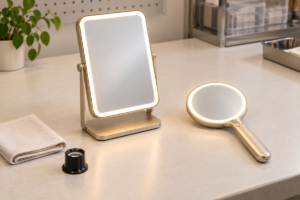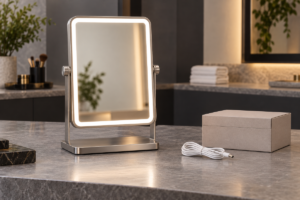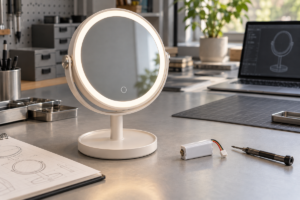

The right LED handheld mirror depends first on the channel and use case. A travel beauty program usually needs a compact lighted mirror with protected hinges, rechargeable convenience, and a pouch-friendly shape. A salon or retail program may need a larger handheld format, stronger handle feel, stable lighting, and packaging that can survive replenishment shipments.
This guide is written for distributors, retailers, beauty-accessory brands, e-commerce sellers, and sourcing managers who need to choose between LED handheld mirrors, LED compact mirrors, and salon-friendly mirror formats before requesting samples. The goal is to reduce mismatched SKUs, weak packaging, and avoidable return complaints.
Start With Channel Logic, Not Product Decoration
Many handheld mirror projects go off track because buyers begin with style preferences instead of buyer scenario. A salon distributor usually values handle comfort, mirror size, daily-use durability, and simple replenishment. A travel program needs compactness, portability, and sometimes magnification. A retail chain may need a wider market fit, shelf-ready packaging, and a product that is easy for the shopper to understand in a few seconds.
If those three channels are treated as the same buying job, pricing and sampling become confusing. A salon mirror, a travel compact, and a decorative retail compact can all be called handheld mirrors, but they do not behave the same way in packaging, QC, claim risk, or display value.
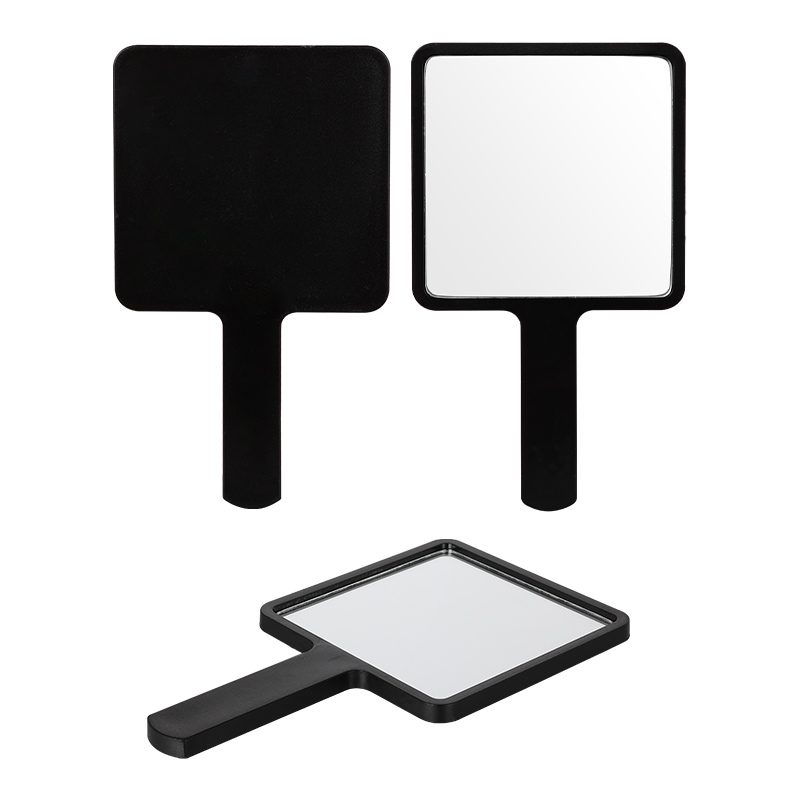
Travel, Salon, or Retail? Fast Decision Table
| Channel | Safer handheld mirror choice | What buyers usually prioritize | Main risk to control |
|---|---|---|---|
| Salon supply | Single-sided full-size square or round handheld mirror | Grip comfort, clear reflection, durability, easy repeat ordering | Handle strength, frame scratches, carton efficiency |
| Travel retail or beauty accessories | Double-sided compact mirror | Portability, convenience, magnification, premium feel | Hinge life, surface protection, magnification complaints |
| General retail chain | Simple handheld or compact depending price band | Broad appeal, shelf packaging, easy price comparison | Packaging damage, finish inconsistency, weak sell-through story |
| Gift or promo retail | Decorative compact mirror | Presentation value, logo or artwork, low pack size | Decorative defects, hinge consistency, cosmetic damage in transit |
This table shows why “best handheld mirror” is the wrong sourcing question. The better question is which structure best matches the channel's commercial requirements. Buyers building a broader handheld line can also compare Mingda's handheld mirror sourcing guide and the newer single-sided vs double-sided handheld mirror comparison.
What Usually Works Best for Salon Supply
Salon buyers are usually better served by a larger single-sided mirror with a stable handle and a straightforward frame structure. The mirror does not need a complicated feature story. It needs to survive repeated use, feel comfortable in the hand, and stay easy to replace in repeat orders. That makes salon supply one of the clearest cases where simplicity often reduces claim risk.
From a procurement standpoint, salon mirrors are also easier to quote consistently because the structure is simpler. There are fewer moving parts, less hinge-related risk, and fewer consumer expectation gaps than with travel compacts. Buyers should still confirm frame rigidity, mirror clarity, and how the item will be packed into inner and master cartons.
What Travel Buyers Should Check Before Choosing a Compact Format
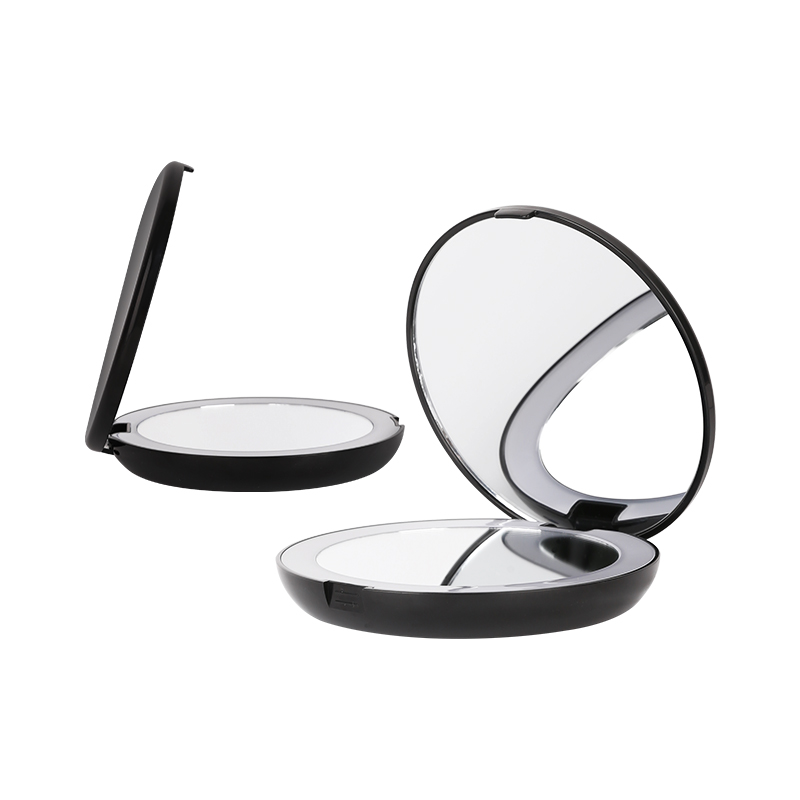
Travel channels usually need a mirror that can fit into handbags, carry-ons, or cosmetic kits without feeling too basic. That is why double-sided compact formats often outperform full-size handheld mirrors in travel programs. One side can support normal viewing while the other side offers magnification, which strengthens the utility story for the end user.
But portability creates its own procurement risks. Travel compacts need tighter hinge consistency, better protection between mirror faces, and clearer testing around magnification comfort. If the compact opens loosely, scratches easily, or uses an uncomfortable magnification level, the product may look strong in a sample and still create poor reviews after launch.
Retail Programs Need a Price-Band Decision, Not a Generic Product Decision
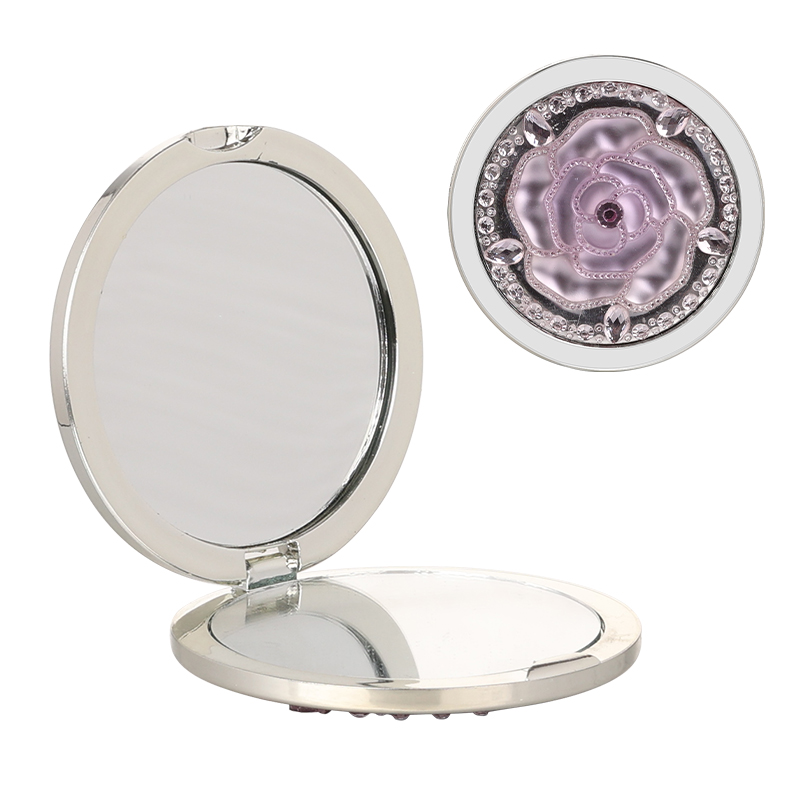
Retail is the most mixed channel, so buyers should not treat it as one single use case. In value retail, a simple handheld mirror may be stronger because it is easy to merchandise, easy to explain, and easier to protect in transit. In beauty-accessory retail, a decorative compact may work better because the shopper expects more style and gifting value in a smaller footprint.
This means the retail decision should begin with price band and product story. If the target is a low-risk replenishment SKU, simpler structures usually win. If the target is a higher-margin beauty accessory line, buyers may accept more finish complexity and hinge risk in exchange for better presentation. Mingda's Retail Chain & Supermarket Solution and Promo & Gift Solution pages are both relevant when that decision is being made.
Material, Finish, and Packaging Change the Real Outcome
Channel fit alone is not enough. Material and finish change both perceived value and failure risk. Plastic and coated frames are often safer for basic retail because they control cost and reduce visible damage risk. Plated or decorative compact mirrors can look stronger for beauty retail or gift channels, but they need stricter cosmetic inspection and better protective packing. For a more detailed breakdown, buyers can review Mingda’s guide to handheld mirror materials, finishes, and durability.
Packaging is where many handheld mirror programs either protect their margin or lose it. A travel compact may need film separation, pouch protection, or tighter insert support. A salon mirror may pack more efficiently but still need edge protection to avoid scuffs. Retail blister, color box, or gift-box decisions should be discussed before the final RFQ, not after. Mingda's Packaging & Logistics and QC Process pages are directly relevant here.
What Buyers Should Confirm Before RFQ or Sample Approval
- Define the real channel: salon supply, travel retail, value retail, beauty accessory retail, or promo gift.
- Choose the base structure first: full-size single-sided, decorative compact, or double-sided compact.
- Confirm whether magnification is commercially necessary and what power level is acceptable.
- State the frame material, finish direction, logo method, and packaging style before pricing.
- Ask whether the selected packaging changes MOQ, lead time, or carton efficiency.
- Require QC points for hinge feel, edge finishing, scratch protection, and mirror clarity.
- Decide whether the product must survive parcel shipping, shelf display, or gift presentation.
That checklist matters because handheld mirrors are often quoted too early and too broadly. When format, packaging, and branding are still vague, the supplier can only give an incomplete number. A cleaner RFQ usually produces a better commercial decision.
Common Procurement Mistakes by Channel
The most common mistake is choosing a compact travel mirror for a salon or utility channel where durability matters more than presentation. Another is choosing a basic handheld mirror for beauty-accessory retail where the shelf needs a stronger visual story. A third is approving decorative finishes without confirming how they hold up in transport. A fourth is treating magnification as a bonus feature instead of a claim that needs real testing.
Another repeated issue is delaying packaging decisions until after the sample looks approved. By then, the cost, carton layout, and protection logic may need to change, which slows down the order and can distort the original quotation.
Bottom Line
Choose a simple single-sided handheld mirror when the channel is salon supply or broad-use value retail and the priority is durability with lower sourcing risk. Choose a double-sided compact when the channel is travel or beauty accessories and the extra function supports the selling story. Choose a decorative retail compact only when finish control, packaging, and target margin are strong enough to support it. The right handheld mirror is the one that fits the channel's actual commercial job, not the one with the most features.
FAQ
Which handheld mirror is best for salon buyers?
A larger single-sided handheld mirror is usually best because it is easier to use repeatedly, easier to inspect, and less exposed to hinge-related complaints.
Why do travel programs often prefer compact mirrors?
Because travel buyers usually need portability and convenience in a smaller footprint, and double-sided compacts can add useful magnification.
How should retail buyers choose between a simple mirror and a decorative compact?
Start with the price band and shelf story. Value retail usually favors simpler structures, while beauty-accessory retail can support more decorative formats if packaging and QC are stronger.
Does packaging really affect MOQ and quotation?
Yes. The packaging route can change print runs, insert structure, protective materials, carton efficiency, and therefore the real commercial comparison between options.
Can Mingda help narrow the right handheld mirror before bulk order?
Yes. Mingda can help compare channel fit, structure, finish, packaging, and QC checkpoints before the buyer locks the RFQ or approves samples.
CTA
If you are deciding between salon, travel, or retail handheld mirror formats, contact Mingda Mirror with your target channel, price range, packaging route, and branding scope so the quotation and sample process start with the right product assumptions.
Home | Makeup Mirrors | Handheld Mirror Guide | Salon Handheld Mirror | Travel Compact Mirror | Contact