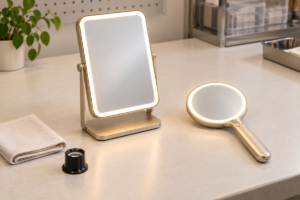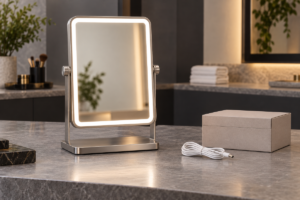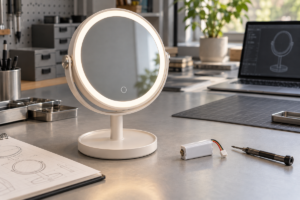

Hollywood iron-framed mirrors should be sourced by matching the mirror structure to the sales channel or project environment, not by bulb count alone. Retailers usually need stable tabletop models with attractive display value, safe plugs, reliable dimming, and strong outer cartons. Hotel, salon, studio, and project buyers often need wall-mounted models with clear installation points, comfortable lighting, stronger frames, and replacement support. The right supplier should help buyers confirm size, bulb layout, CCT, packaging, sample approval, and shipment risk before bulk order.
This guide is written for importers, retail buyers, beauty brands, salon suppliers, hotel project buyers, and distributors planning Hollywood-style vanity mirror orders. It focuses on the commercial decisions that affect sell-through, installation, returns, and long-term replenishment.
Start With the Buyer Scenario
A Hollywood vanity mirror can serve very different markets. A beauty retailer may want a compact tabletop mirror that looks premium in a store display and ships safely through e-commerce. A hotel or salon project may need a larger wall-mounted mirror with installation hardware, consistent light color, and clear after-sales replacement terms. A distributor may need several sizes so downstream customers can choose entry, mid-range, and premium options.
For this product line, the first sourcing question should be: where will the mirror be installed, displayed, shipped, and serviced? That answer determines frame size, base design, bulb layout, electrical requirements, packaging strength, and the level of inspection needed before shipment. Buyers can also review Mingda’s Hollywood Mirrors category and the existing wholesale Hollywood vanity mirror buying guide for related product context.
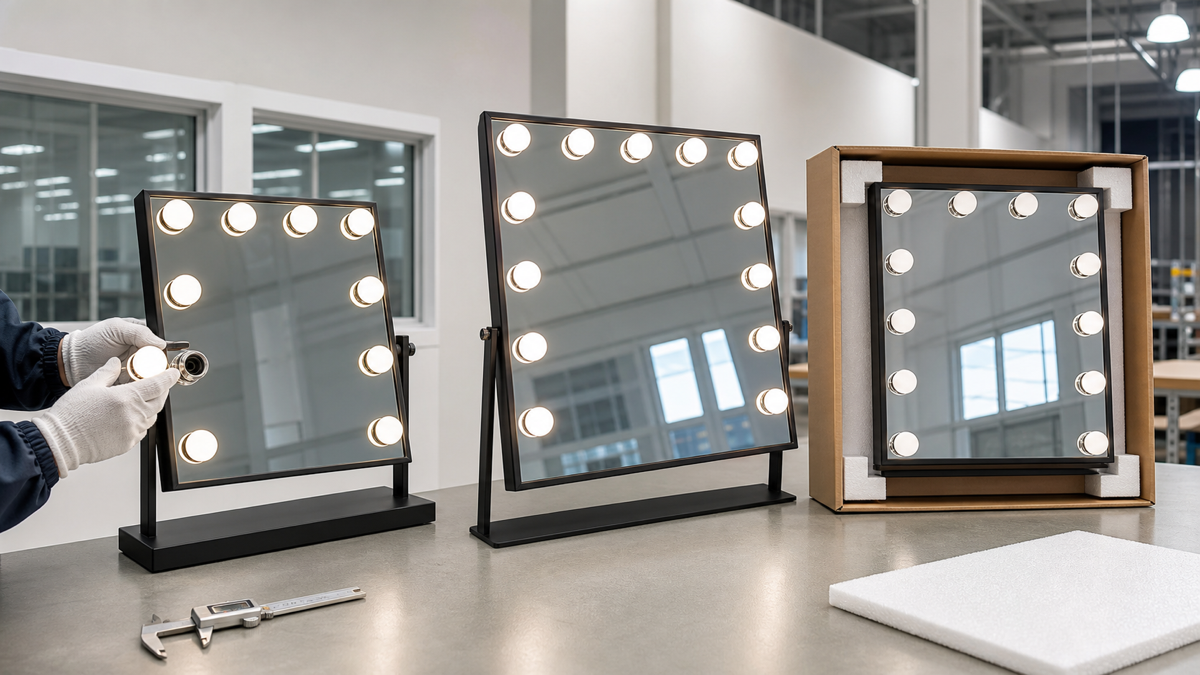
Tabletop vs Wall-Mounted Hollywood Mirrors
| Mirror type | Best-fit buyer | Commercial advantage | Risk to confirm before order |
|---|---|---|---|
| Tabletop Hollywood mirror | Retailers, Amazon sellers, beauty brands, gift channels | Easy display, easier installation, strong consumer appeal | Base stability, carton drop protection, plug type, return handling |
| Wall-mounted Hollywood mirror | Hotels, salons, studios, project buyers, distributors | Cleaner installation, larger size range, project value | Mounting hardware, wall load, wiring position, replacement policy |
| Dual-use tabletop/wall-mounted model | Importers and retailers wanting flexible inventory | One SKU can serve more channels | Higher structure complexity and clearer instructions needed |
The tradeoff is simple: tabletop models reduce installation friction and are easier for retail sales, while wall-mounted models can create higher project value but need stricter installation and service planning. Dual-use models can be attractive, but only if the base, hanging holes, screws, instructions, and packaging are all designed for both use cases.
Frame, Size, and Bulb Layout Decisions
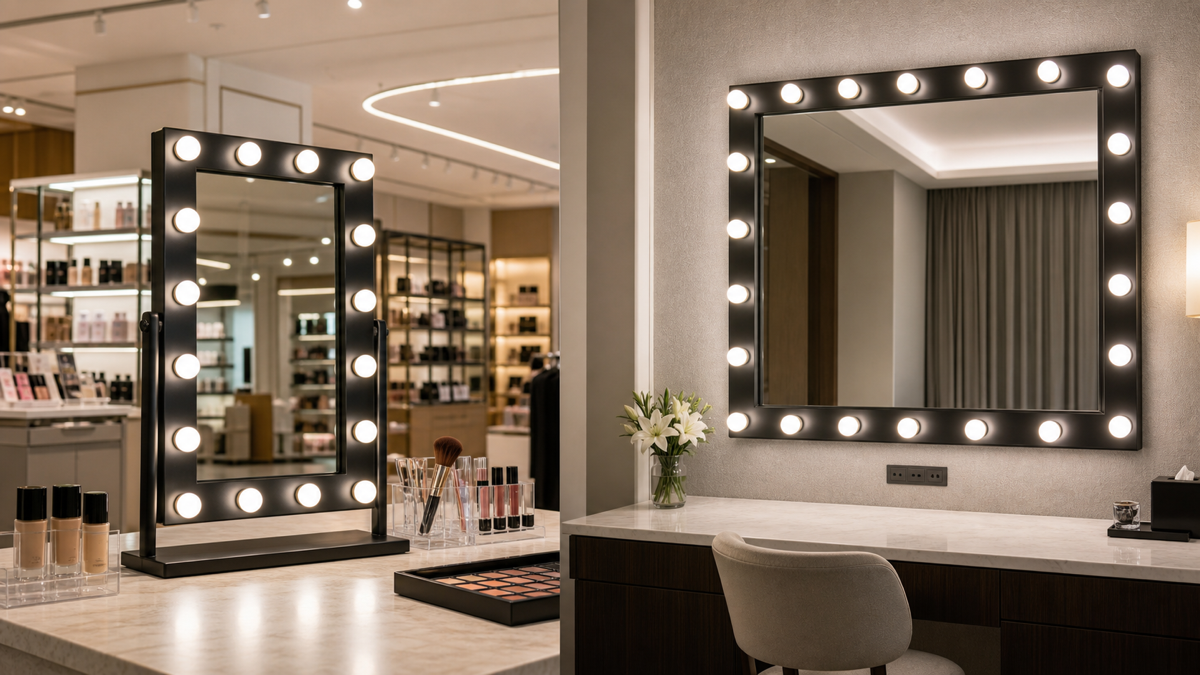
Hollywood iron-framed mirrors are often judged by visual impact, but sourcing teams should check structural details first. The iron frame should feel rigid, the corners should be finished cleanly, and the mirror should sit or mount without shaking. For tabletop models, base width and weight distribution matter because end users may touch the mirror repeatedly while applying makeup. For wall-mounted models, the buyer should confirm the back structure, mounting points, screw package, and installation instructions.
Size planning should follow the channel. Smaller tabletop mirrors may suit beauty retail, e-commerce, and compact vanity spaces. Larger Hollywood mirrors can work for salons, dressing rooms, showrooms, and hotel-style projects. Bulb layout should give even facial lighting without glare. Buyers should ask about LED bulb type, replacement logic, dimming range, touch switch reliability, and whether the CCT is fixed or adjustable.
Lighting Specifications Buyers Should Confirm
- CCT range: warm, neutral, daylight, or adjustable color temperature.
- Brightness control: smooth dimming is better than harsh step changes for makeup use.
- Glare control: bulbs should create clear illumination without uncomfortable hotspots.
- CRI expectation: color rendering matters for beauty, salon, and dressing-room use.
- Switch type: touch switch, button switch, memory function, and failure risk.
- Power setup: plug type, adapter, cable length, voltage range, and destination-market needs.
One common lighting trap is choosing the brightest sample without checking comfort. Very bright bulbs can look impressive in a showroom but create glare complaints after installation. For retail and project orders, comfortable brightness and consistent CCT usually matter more than maximum lumen claims.
Packaging and Breakage Risk Control
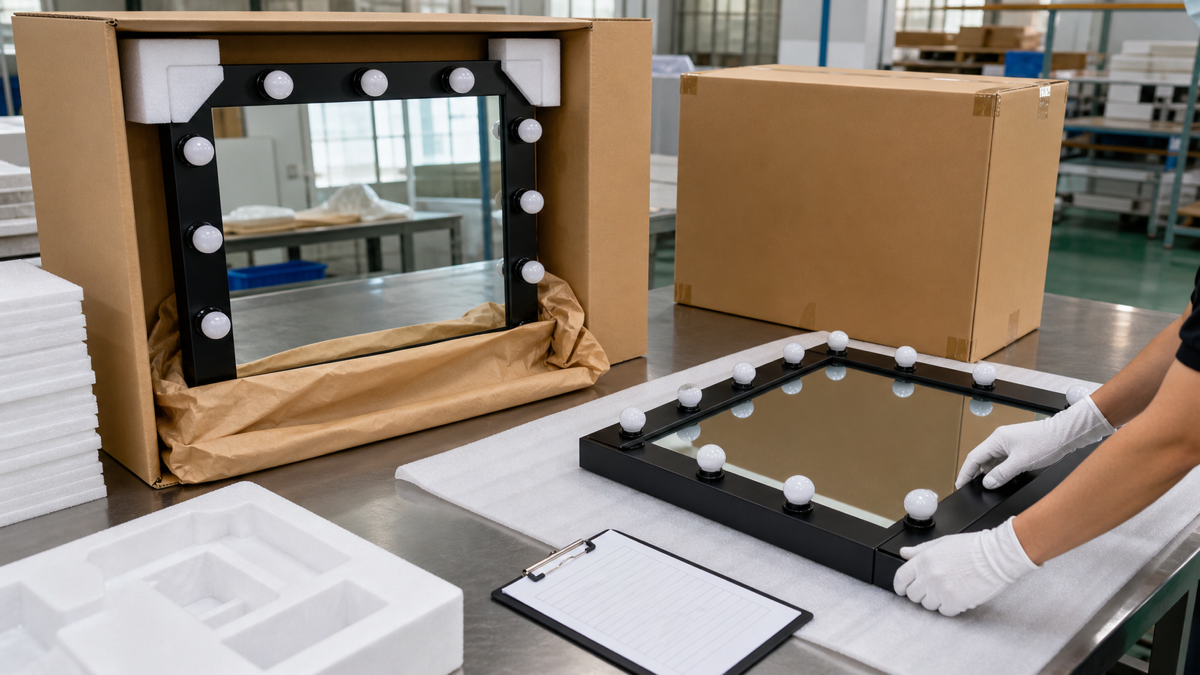
Hollywood mirrors combine glass, bulbs, iron frames, electrical parts, and larger carton dimensions. That makes packaging a core procurement issue. Buyers should review corner protection, bulb protection, mirror surface protection, carton thickness, inner movement, drop-test expectations, and pallet or container loading logic. A low unit price can become expensive if the carton is weak and return rates rise after shipment.
For e-commerce and retail replenishment, the package must survive handling before the consumer opens it. For project buyers, the package must support delivery to job sites where storage and installation timing may be less controlled. Mingda’s Packaging & Logistics and QC Process pages are useful internal references when reviewing export packing and inspection workflow.
Sample Approval Checklist Before Bulk Production
- Confirm the full mirror size, frame finish, frame thickness, and corner quality.
- Test tabletop base stability or wall-mounted hardware with realistic use conditions.
- Check bulb layout, CCT, brightness, dimming, switch response, and glare comfort.
- Confirm plug type, cable length, voltage, labels, and destination-market requirements.
- Review logo placement, user manual, barcode, color box, and outer carton artwork if private label is required.
- Approve the packed sample, including foam, inner carton, color box, and master carton.
- Define inspection points for glass scratches, bulb function, frame alignment, switch function, and carton damage.
- Confirm spare parts or replacement policy for bulbs, adapters, switches, and damaged units.
Commercial Questions for the RFQ
A serious Hollywood mirror RFQ should include target size, tabletop or wall-mounted use, bulb count or lighting expectation, destination market, voltage or plug requirement, order quantity, private-label needs, packaging format, and expected shipment method. Buyers should also ask whether MOQ changes when the frame finish, bulb type, color box, instruction manual, or logo is customized.
Lead time can vary because iron frame production, mirror cutting, electrical assembly, packaging proofing, and final inspection all need coordination. For branded orders, sample approval should include both product function and packing details. For project orders, the buyer should also clarify delivery batches, spare parts, and installation-support documents before committing to a large order.
Common Mistakes Buyers Should Avoid
The first mistake is comparing quotations without matching the same frame structure, bulb configuration, packaging, and inspection standard. Two Hollywood mirrors may look similar online but have different frame stability, electrical quality, and breakage risk. The second mistake is approving product appearance while ignoring carton performance. The third mistake is ordering a wall-mounted model without checking mounting hardware, cable outlet position, and instructions for the destination market.
Another mistake is treating the Hollywood mirror as only a decorative item. For buyers, it is also an electrical product, a fragile shipment, a retail display item, and sometimes an installed project component. Sourcing should cover all four roles.
Bottom Line
For retailers, tabletop Hollywood iron-framed mirrors are usually the lower-friction choice because they are easier to display, sell, ship, and replace. For salons, studios, hotels, and project buyers, wall-mounted models can create stronger visual value but require better installation, packaging, and after-sales planning. The safest sourcing path is to confirm the buyer scenario first, then lock the frame, size, bulb layout, lighting comfort, packaging, sample approval, and inspection standard before bulk production.
FAQ
What buyers are Hollywood iron-framed mirrors best suited for?
They suit beauty retailers, e-commerce sellers, salon suppliers, distributors, hotels, dressing rooms, studios, and project buyers that need strong visual presentation and practical makeup lighting.
Should buyers choose tabletop or wall-mounted Hollywood mirrors?
Tabletop models are better for retail and e-commerce because they are easier to sell and install. Wall-mounted models are better for salons, hotels, studios, and projects where permanent placement matters.
What lighting details should be checked before ordering?
Buyers should check CCT, brightness, dimming, glare comfort, CRI expectation, switch reliability, plug type, voltage, cable length, and replacement logic for bulbs or adapters.
Does packaging affect the cost of Hollywood mirror orders?
Yes. Strong foam, color boxes, thicker cartons, pallet logic, and drop-test expectations can affect unit cost and freight efficiency, but weak packaging can create higher return costs.
What should buyers send before requesting a quotation?
Send target size, installation type, bulb and lighting requirements, destination market, plug standard, quantity, logo needs, packaging expectations, inspection standard, and required delivery time.
CTA
If you are planning a Hollywood mirror line for retail, e-commerce, salon, or project use, contact Mingda Mirror with your target size, channel, lighting requirement, packaging expectation, and order quantity. Mingda can help compare practical structures and prepare samples for approval before bulk production.
Home | Hollywood Mirrors | Tabletop or Wall-Mounted Hollywood Mirror | Big Metal Hollywood Mirror | Wholesale Hollywood Mirror Buying Guide | Contact