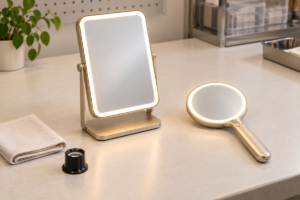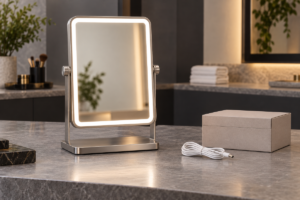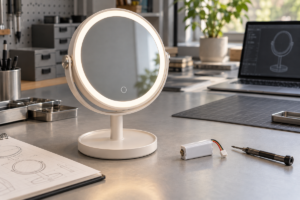

Single-sided and double-sided LED handheld mirrors solve different buying problems. A single-sided lighted handheld mirror is usually easier to position for salon supply, value retail, or simple daily-use programs. A double-sided LED compact mirror can create stronger travel, gift, and beauty-accessory value, especially when magnification, hinge durability, and charging design are controlled well.
This buyer comparison is for retailers, importers, e-commerce sellers, promo-gift buyers, and private-label teams choosing a lighted handheld mirror structure before quotation or sampling. The decision should be based on channel fit, lighting experience, portability, packaging protection, and return-risk tolerance rather than product appearance alone.
Start With Buyer Scenario, Not Mirror Decoration
The same mirror can perform very differently depending on channel. A retail chain often needs a stable, easy-to-merchandise item with simple packaging and fewer user questions. A salon distributor usually wants a larger viewing surface, solid handle feel, and low daily-use failure risk. A gift or promo buyer may accept a smaller format if presentation value is higher. A travel-oriented beauty accessory brand often needs portability and magnification convenience more than display size.
That is why handheld mirror comparison should begin with the buyer scenario instead of the decorative theme. When sourcing teams mix square salon mirrors, decorative compact mirrors, and double-sided travel mirrors in one RFQ, pricing becomes hard to compare because the underlying commercial logic is different in each case.
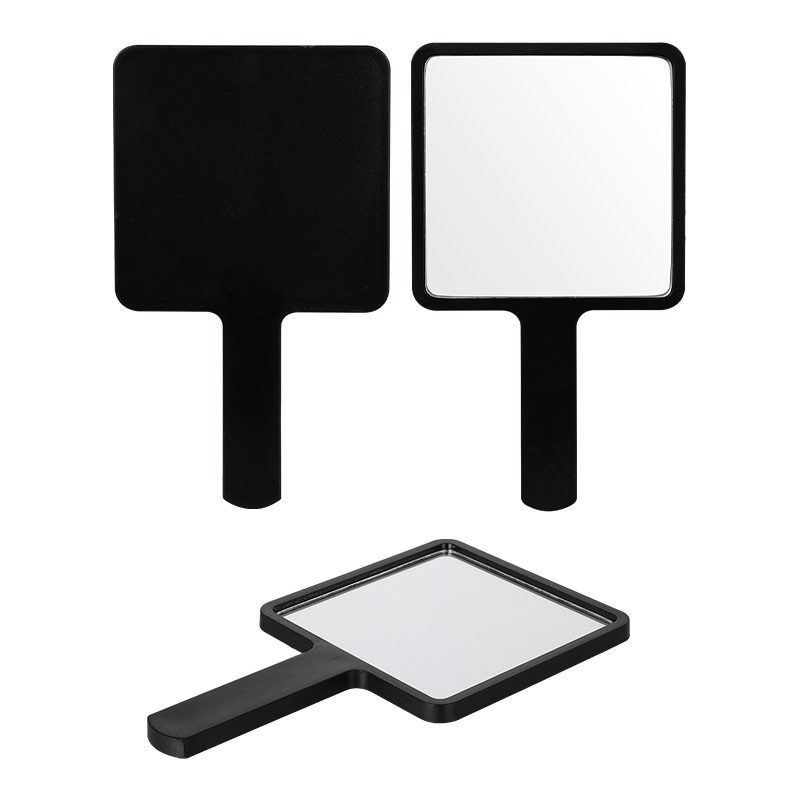
Single-Sided vs Double-Sided Handheld Mirrors: Fast Decision Table
| Decision point | Single-sided handheld mirror | Double-sided handheld or compact mirror |
|---|---|---|
| Best-fit buyer | Retail chains, salon supply, mass-market programs | Travel, gift, beauty accessory, and compact private-label programs |
| Main strength | Simpler use story and fewer mechanical risks | Higher convenience and stronger perceived value |
| Main sourcing risk | Can feel too basic if the assortment needs a premium story | More inspection points: hinge, magnification, scratch protection |
| Packaging impact | Easier to protect and display | Needs tighter inner protection and surface-separation logic |
| Claim sensitivity | Lower, because there is usually no magnification claim | Higher, especially if one side uses 2x, 3x, or stronger magnification |
| MOQ pressure | Usually lower when structure and packaging stay simple | Can rise with custom finish, hinge parts, and gift-box packaging |
In today's market, compact double-sided formats are attractive because travel and beauty-accessory buyers want portability and added function. But that does not mean they are always the better wholesale choice. For many low-risk replenishment programs, single-sided remains easier to source and easier to support after sale.
When Single-Sided Is the Better Commercial Choice
Single-sided handheld mirrors work best when the buyer wants a broad-use SKU with minimal explanation. They are often the better option for salon distributors, value retail chains, school or utility channels, and programs where durability matters more than gift appeal. The structure is easier to inspect, easier to pack, and less exposed to hinge-related complaints.
From a sourcing perspective, single-sided mirrors also simplify carton planning and shelf display. They usually have fewer assembly points, lower cosmetic mismatch risk, and a cleaner replenishment story for repeat orders. Buyers planning a wider assortment can connect this logic with Mingda's handheld mirror sourcing guide for retail and gift buyers and the broader makeup mirror sourcing guide for beauty brands and retailers.
When Double-Sided Wins for Gift, Travel, and Premium Positioning
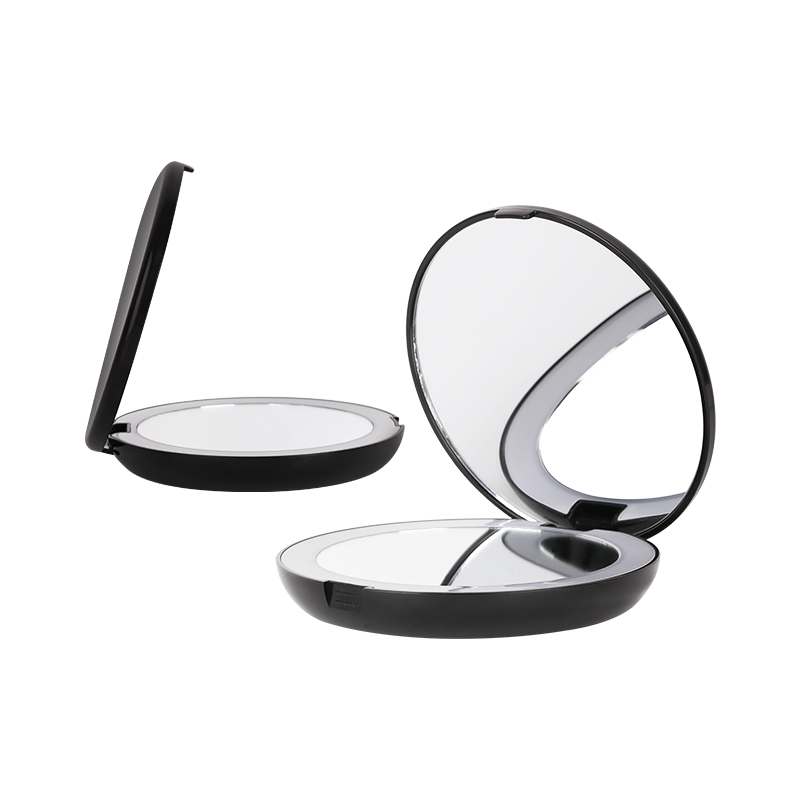
Double-sided mirrors are usually stronger when the buyer needs portability, magnification, or a more premium opening experience. They fit compact beauty accessories, travel-retail programs, gift promotions, and private-label lines that want a higher-value feel in a small footprint. The second mirror face creates a stronger product story, especially when one side offers practical magnification.
But the extra function changes the risk profile. Buyers must verify hinge movement, mirror alignment, surface protection between inner faces, and whether the magnification level is truly comfortable for the intended user. If those details are vague, the product may look premium in a sample photo and still create return issues after shipment.
Material, Finish, and Magnification Change the Real Comparison
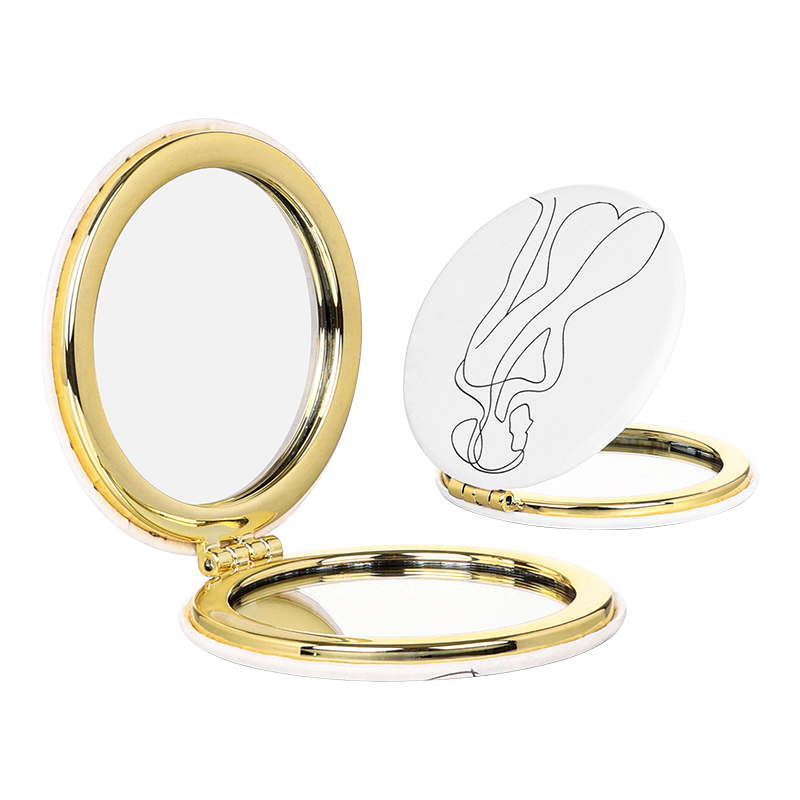
The single-sided versus double-sided choice is only one layer. Material and finish can completely change the commercial outcome. A plastic or coated frame may be better for cost-controlled retail and lower freight risk. A plated compact mirror can support higher gift value, but it needs stronger scratch prevention and cleaner finishing standards. PU-covered or decorated compacts can help brand storytelling, but they also add edge-finishing and cleanliness checkpoints during QC. Buyers comparing those finish tradeoffs in more detail can review this guide on handheld mirror materials, finishes, and durability.
Magnification is the other major decision trap. For travel and beauty channels, magnification can improve sell-through because it adds obvious utility. For general retail, it can also create faster complaints if the viewing distance feels awkward or the claimed power does not match user expectation. Buyers should treat magnification as a verified specification, not just a marketing feature.
Packaging Is Usually the Hidden Deciding Factor
Many handheld mirror projects do not fail because of the mirror surface itself. They fail because the packaging was discussed too late. Single-sided mirrors are easier to protect because there is usually only one exposed viewing face and no hinge system. Double-sided mirrors need better internal separation, scratch prevention, and movement control, especially if they will move through parcel shipping or gift distribution.
That means sourcing managers should decide the packaging route before they lock the mirror format. Retail shelf packs, gift boxes, and e-commerce protective packs should not be treated as the same job. Mingda's Packaging & Logistics, QC Process, Retail Chain & Supermarket Solution, and Promo & Gift Solution pages are directly relevant here.
What Buyers Should Confirm Before RFQ or Sample Approval
- Define whether the program is for retail, salon, gift, travel, or promo use.
- Choose single-sided or double-sided based on channel fit, not only product appearance.
- Confirm if magnification is commercially necessary and what power level is acceptable.
- Specify frame material, finish direction, logo method, and packaging style before pricing.
- Check whether hinge construction, mirror protection film, and inner packing change MOQ.
- Ask for QC checkpoints covering appearance, hinge feel, magnification accuracy, and packaging resistance.
- Review whether the intended packaging is for retail shelf display, gift presentation, or parcel shipment.
This checklist matters because MOQ, lead time, and price are all affected by structure and packaging complexity. A double-sided compact with a custom gift box is not directly comparable to a single-sided salon mirror in a standard polybag or display box.
Common Procurement Mistakes
The first mistake is choosing double-sided simply because it feels more premium, without checking whether the target channel actually values that extra function. The second is treating single-sided as automatically cheaper, even when custom coating, logo treatment, or display packaging adds cost. The third is approving magnification claims without testing practical user distance. The fourth is approving a gift-style compact without confirming scratch prevention and hinge consistency under shipment conditions.
Another frequent issue is letting the packaging decision trail behind the product decision. By the time the buyer realizes the compact needs better internal protection, the quotation, carton size, and launch timing may already be wrong.
Bottom Line
Choose single-sided handheld mirrors when the priority is simplicity, durability, and easier replenishment for salon or broad retail programs. Choose double-sided handheld or compact mirrors when portability, magnification, and premium presentation are important enough to justify tighter QC and packaging control. The better option is the one that fits the selling channel and risk profile, not the one with the longer feature list.
FAQ
Are single-sided handheld mirrors better for retailers?
Often yes, especially for broad-use retail and salon supply, because they are easier to explain, easier to pack, and less exposed to hinge-related complaints.
When should buyers choose double-sided handheld mirrors?
Choose double-sided when portability, magnification, or premium beauty positioning matters enough to support the extra complexity and packaging protection.
Do double-sided mirrors usually have higher MOQ?
They can, particularly when the program includes custom finish, gift-box packaging, or specific hinge and magnification requirements.
Why is packaging so important for compact mirrors?
Because compact mirrors have more scratch-risk surfaces and moving parts, so poor inner protection can quickly damage the product during transport.
Can Mingda help compare the right handheld mirror structure?
Yes. Mingda can help buyers narrow the right format, packaging route, QC checkpoints, and quotation scope before sample approval or bulk ordering.
CTA
If you are comparing single-sided and double-sided handheld mirrors for your next retail, gift, or travel program, contact Mingda Mirror with your target channel, finish direction, packaging route, and price range so the RFQ starts with the right commercial assumptions.
Home | Handheld Mirror Guide | Single-Sided Square Handheld Mirror | Double-Sided Compact Mirror | Contact