
Anti-fog LED bathroom mirrors are usually worth specifying for hotels, serviced apartments, and premium residential projects when the bathroom has frequent hot-water use, limited ventilation, or a guest experience standard that does not allow mirrors to stay fogged after showers. For buyers, the decision is not only about convenience. It affects electrical design, mirror thickness, power load, installation method, lead time, and final project cost.
This guide explains what hotel and apartment buyers should check before choosing anti-fog LED bathroom mirrors for a bulk order. If your sourcing team is comparing standard LED mirrors with anti-fog versions, the key question is simple: will anti-fog function improve user experience enough to justify the extra specification, testing, and cost?
When Do Hotels and Apartments Need Anti-Fog Mirrors?
Anti-fog mirrors are most useful in bathrooms that build up steam quickly and are expected to remain functional immediately after showers. This is common in hotels, serviced apartments, high-density residential developments, and premium rental properties. In those applications, a fogged mirror creates a visible user complaint even when the rest of the room design looks strong.
For project buyers, anti-fog function becomes more important when:
- The bathroom has poor natural ventilation.
- The shower is close to the vanity area.
- The property wants a more premium guest experience.
- The mirror is part of a branded upgrade package for apartments or hospitality rooms.
- Users are expected to shave, apply makeup, or get ready quickly in the same bathroom.
If the project is budget-led and the bathroom layout naturally reduces steam around the vanity, a standard LED bathroom mirror may still be enough. The right decision depends on the use scenario, not on adding features by default.
How Anti-Fog Function Works in an LED Bathroom Mirror
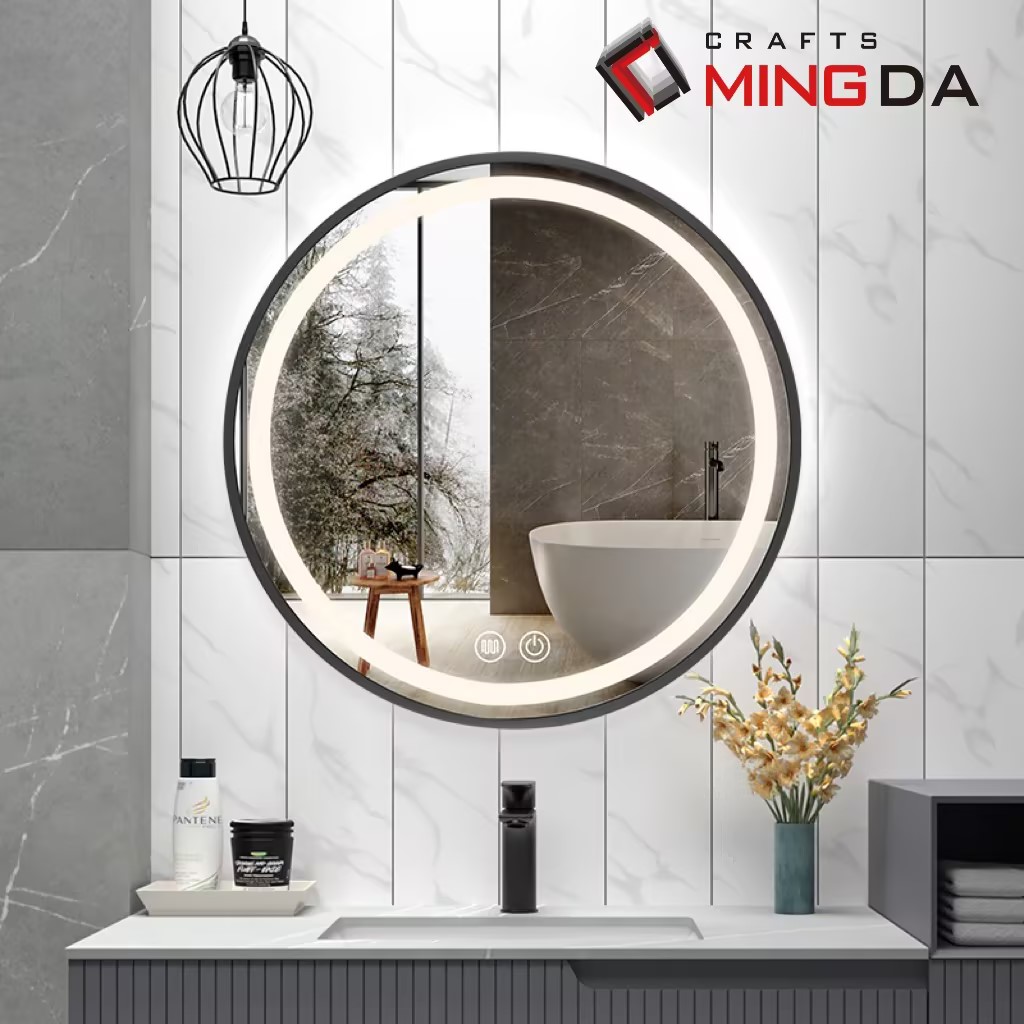
Most anti-fog mirrors use a heating pad fixed to the back of the mirror. Once powered, the pad warms the glass in a controlled area so condensation is less likely to collect where users need visibility. Buyers should understand that anti-fog usually works in the heated zone, not always across the full mirror surface.
This means procurement teams should confirm three practical points with the supplier before sampling:
- The heating-pad size and the actual defogging area.
- How the anti-fog function is switched on: separate touch button, linked with light, or timed logic.
- Whether power consumption and wiring fit the project’s installation plan.
For OEM and ODM projects, the anti-fog specification should be matched to mirror size and daily use expectations, not copied from another model without review. Buyers exploring custom LED bathroom mirror development should lock this point early because it affects electrical layout and sample approval.
Anti-Fog vs Standard LED Mirror: Which Is Better for Your Project?
| Buyer Check | Standard LED Mirror | Anti-Fog LED Mirror |
|---|---|---|
| Upfront cost | Lower | Higher because of heating pad and electrical design |
| Guest convenience | Mirror may fog after showers | Better visibility in humid bathrooms |
| Installation planning | Simpler | Needs power/load review and control logic confirmation |
| Best fit | Budget projects or dry bathroom layouts | Hotels, premium apartments, and user-experience-focused projects |
| Sample review priority | Lighting and finish | Lighting, defogging area, heat performance, and safety |
For hospitality buyers, the answer is often not “anti-fog everywhere” but “anti-fog where the room standard and bathroom environment justify it.” That is the more commercially sound sourcing decision.
What Hotel and Apartment Buyers Should Confirm Before Bulk Orders
Anti-fog specification should be reviewed as part of the full procurement package, not as an isolated feature. Before placing a bulk order, confirm:
- Mirror size, shape, and installation orientation.
- Defogging area coverage and heat-up time.
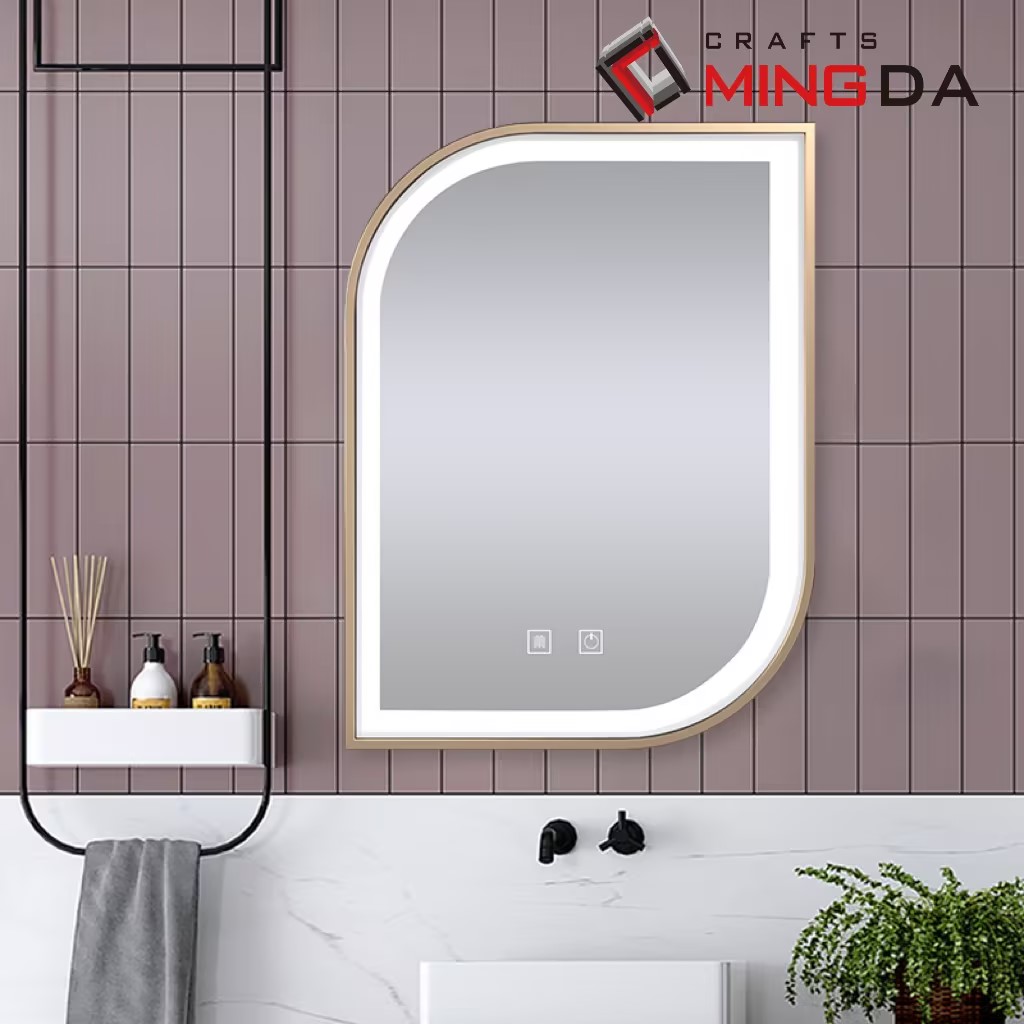
- Touch switch layout and whether anti-fog is linked to the LED light.
- Voltage, driver position, and hardwired vs plug-in requirements.
- Waterproof design, insulation, and target-market compliance documents.
- Packaging strength for project delivery or distribution warehousing.
- Replacement policy and spare-part support if one batch needs service later.
Project buyers can also compare anti-fog specification together with front-lit vs backlit LED bathroom mirror decisions, because lighting structure and anti-fog selection are often approved in the same sample round.
Common Procurement Mistakes to Avoid
The most common sourcing mistake is assuming that “anti-fog” means the whole mirror never fogs. In practice, the usable anti-fog area depends on the heating-pad design. If the project team does not confirm that zone on the sample, the final product may not match room-operation expectations.
Other common mistakes include:
- Choosing anti-fog for every room type without checking whether all layouts need it.
- Ignoring power and wiring implications during drawing approval.
- Approving samples without testing after a real hot-shower condition.
- Focusing only on mirror appearance while skipping heat performance and electrical safety checks.
- Leaving packaging review too late for projects with phased delivery schedules.
If the order is for hospitality or commercial rooms, procurement teams should also align mirror specification with the property’s maintenance team. That reduces later disputes over switch logic, replacement practice, and daily usability.
How Mingda Mirror Supports Anti-Fog Bathroom Mirror Projects
Mingda Mirror supports B2B buyers with LED bathroom mirror customization, sample confirmation, and project-oriented discussions around lighting, anti-fog, installation, packaging, and delivery. For hospitality sourcing, buyers can also review Mingda’s hospitality and commercial project solution and use the contact page to discuss drawings, room standards, and bulk-order timing.
Bottom Line
Anti-fog LED bathroom mirrors are the better choice when the bathroom environment is humid, the guest experience standard is high, and the project team wants mirrors to remain usable right after showers. They are not necessary for every budget project, but they are often the right specification for hotels, serviced apartments, and premium residential developments where functionality and presentation matter together.
If you are comparing anti-fog and standard LED mirrors for an upcoming hotel or apartment order, contact Mingda Mirror to review your target room type, anti-fog coverage needs, wiring method, MOQ, lead time, packaging plan, and sample schedule before production begins.
FAQ
Do all hotel bathroom mirrors need anti-fog function?
No. Anti-fog is most useful in bathrooms with higher steam exposure or where the property wants a stronger guest experience standard. Some budget projects may not need it in every room type.
Does anti-fog work across the full mirror surface?
Not always. Many anti-fog mirrors only heat a specific area on the back of the glass, so buyers should confirm the actual defogging coverage during sample review.
Is anti-fog linked to the LED light or controlled separately?
It depends on the product design. Buyers should confirm whether the anti-fog function has its own switch, shares a touch control with the light, or follows a timed control logic.
What should apartment developers check before placing a bulk order?
Apartment buyers should confirm anti-fog area, installation method, voltage, electrical safety, packaging, replacement planning, and whether the added cost fits the unit positioning.
Can Mingda Mirror customize anti-fog LED bathroom mirrors for project buyers?
Yes. Mingda Mirror can discuss mirror size, lighting structure, anti-fog function, switch logic, packaging, and project requirements for OEM or ODM orders.